



The Future of Driving: Emerging Automotive Stars of 2026
As a seasoned automotive industry observer with a decade of firsthand experience navigating the evolving landscape of vehic
le technology and consumer trends, I find myself consistently drawn to the horizon of innovation. The year 2026, in particular, promises to be a watershed moment, a convergence of established prowess and disruptive ambition that will undoubtedly reshape our understanding of personal mobility. While the siren song of electrification continues to dominate headlines and manufacturer strategies—driven by increasingly stringent environmental mandates and a palpable shift in consumer consciousness—my gaze also lingers on the surprising resilience and ingenuity found within traditional powertrain technologies.
This forecast delves into the upcoming car launches 2026 that have captured my professional attention, highlighting vehicles that represent more than just a new model year. They are testaments to engineering evolution, strategic repositioning, and the relentless pursuit of defining the next era of driving. My selection isn’t merely based on hype; it’s a considered assessment of potential impact, technological merit, and the sheer excitement these vehicles evoke within the automotive fraternity. These are the machines that, based on their specifications, design philosophies, and market positioning, I anticipate will generate significant buzz and redefine segment benchmarks.
The automotive industry is a dynamic ecosystem, where yesterday’s breakthroughs become today’s baseline. For 2026, we are witnessing a sophisticated dance between the familiar and the futuristic. Electric vehicles (EVs) are no longer a niche curiosity but a mainstream force, yet the internal combustion engine, in its advanced hybrid and highly efficient forms, continues to offer compelling alternatives. This interplay is what makes the upcoming year so electrifyingly unpredictable and, for enthusiasts and pragmatic buyers alike, immensely promising.
My selection of noteworthy new cars 2026 is a curated list, a snapshot of the most compelling developments. It’s important to preface this by acknowledging that true assessment awaits the rigors of real-world testing and our in-depth laboratory evaluations. However, the foundational promise and strategic intent behind these eight vehicles are undeniably compelling, each offering a unique narrative within the broader automotive story. From the refined evolution of iconic nameplates to the bold entry of newcomers, 2026 is shaping up to be an extraordinary year for new vehicle releases.
The Reimagined Icon: BMW 3 Series (G50/G51)
The venerable BMW 3 Series, a nameplate synonymous with sporting sedans and a benchmark for driver engagement for generations, is poised to enter its eighth iteration in Spring 2026. This is not merely an update; it’s a fundamental redefinition. While the current generation’s successful blend of mild-hybrid and plug-in hybrid powertrains will continue, the truly revolutionary aspect is the introduction of a fully electric variant, badged the i3. This move signals BMW’s decisive commitment to its ‘neue klasse’ design language, characterized by a streamlined front grille and sharper, narrower headlights, imbuing the 3 Series with a distinctly modern, albeit familiar, aesthetic.
Sharing its underlying mechanical architecture with the forthcoming iX3 electric SUV, the i3 is positioned to leverage shared battery and powertrain technology. This technological synergy is crucial, especially as BMW aims to achieve ambitious range figures. My keenest anticipation lies with the i3’s potential. Can it not only match but surpass the projected 500-mile range of its SUV sibling, the iX3? This is the question that will define its success. Furthermore, the highly anticipated M3 performance variant, slated for a 2027 debut, will offer both electric and petrol powertrains, further broadening the appeal and pushing the boundaries of performance in the segment. For those seeking an exceptional electric luxury sedan, the i3 represents a significant development.
 The Unexpected Return: Fiat 500 (Mild Hybrid)
In a fascinating pivot that underscores market pragmatism over rigid ideology, Fiat is set to reintroduce a petrol mild-hybrid version of the beloved 500 in Summer 2026. This decision, driven by the sales trajectory of the all-electric 500e, demonstrates a keen understanding of diverse consumer needs and preferences. The new mild-hybrid variant, powered by a 65hp engine, will offer an accessible entry point into the iconic 500 lineage, supplemented by an upcoming cabriolet option.
This move is part of a broader Stellantis strategy to cater to a wider market, particularly evident in markets like the UK, where production prioritization often favors left-hand-drive configurations. The Fiat Grande Panda and Fiat 600, also receiving entry-level petrol manual versions this year, exemplify this approach. For me, the appeal of this new Fiat 500 lies in its charming simplicity. In an era of increasingly complex automotive systems, a straightforward, petrol-powered manual transmission offers a refreshing, almost nostalgic driving experience. It’s a testament to the enduring appeal of well-executed compact cars and a welcome addition for those prioritizing a traditional driving feel within a stylish package. This represents a significant option for affordable new cars.
The Grand Statement: Audi Q9
Audi’s assertion into the ultra-luxury SUV segment is set to materialize with the Q9, anticipated in late 2026. Launched to directly challenge the behemoths like the BMW X7, the Q9 aims to reclaim the commanding presence that the original Q7 possessed at its debut in 2005. This model has been on the automotive grapevine for some time, and its arrival signifies a strategic move to capture the high-end market.
The Q9 will offer a comprehensive powertrain selection, including advanced petrol and plug-in hybrid options. The potential introduction of a range-topping ‘Horch’ variant, reviving a prestigious historical nameplate, signals Audi’s ambition to compete head-to-head with established luxury marques like Mercedes-Benz Maybach. The question for me is not just about size and powertrain, but about the execution of luxury. Will the Q9’s interior truly exude the opulence and meticulous craftsmanship expected of a six-figure vehicle? Furthermore, in an era where practicality is often sacrificed at the altar of grandeur, how will the Q9 balance its imposing dimensions with genuine everyday usability? The concurrent launch of the third-generation Q7 and the A2, an entry-level model effectively replacing the A1 and Q2, showcases Audi’s broad product offensive for 2026, targeting diverse segments from premium to accessible. This could be a key player in the luxury SUV market.
The Accessible Electric Future: Volkswagen ID.Polo
Volkswagen is set to democratize electric mobility further with the introduction of the ID.Polo in Spring 2026. This model represents the electric counterpart to the ubiquitous Polo hatchback, aiming to become the brand’s most compact EV until the even smaller ID.Every1 city car arrives in 2027. What particularly excites me about the ID.Polo, in contrast to some earlier ID. models, is its anticipated return to more intuitive, driver-centric controls, featuring a prominent array of physical buttons. This ergonomic focus is a significant consideration for user experience and a welcome departure from the touchscreen-heavy interfaces that have become prevalent.
Furthermore, the promise of higher-quality interior materials, a trend observed in recent VW models like the T-Roc, suggests that the ID.Polo will offer a premium feel disproportionate to its anticipated price point of £21,000 – £25,000. My critical assessment will also focus on efficiency. Some of VW’s prior electric offerings have faced scrutiny in our lab tests regarding energy consumption, and the ID.Polo’s performance in this crucial area will be closely watched. The closely related ID.Cross SUV, also launching this year and competing directly with the Skoda Epiq, further bolsters VW Group’s electric offensive, particularly in the compact electric car segment.
Practicality Meets Electrification: Skoda Epiq
Skoda’s commitment to expanding its electric vehicle portfolio gains significant momentum with the launch of the Epiq in Summer 2026. Currently offering two EVs, the Enyaq and Elroq, the Epiq will slot in as Skoda’s smallest EV to date, serving as the electric equivalent of the popular Kamiq crossover. The Epiq is significant not only for its size and powertrain but also for debuting Skoda’s fresh ‘Modern Solid’ design language, promising a contemporary yet functional aesthetic.
With an expected starting price in the same vicinity as the Kamiq, the Epiq aims to deliver exceptional value, a cornerstone of Skoda’s brand identity. My focus will be on whether Skoda can successfully translate its reputation for practicality and affordability into the EV space, particularly in terms of its pricing strategy against competitors. Given the strong performance of the Enyaq and Elroq, which have consistently featured among the UK’s top 10 most-registered EVs in 2025, the Epiq is well-positioned for success. The forthcoming Peaq, an EV counterpart to the Kodiaq, further solidifies Skoda’s aggressive EV rollout. The Epiq represents a compelling option for budget electric SUVs.
The Chinese Invasion: Denza Z9 GT
The year 2026 marks a pivotal moment for the European automotive market with the impending arrival of Denza, the premium electric vehicle brand from China’s BYD. Its inaugural European offering, the Z9 GT, is a large electric estate that bears a striking resemblance to the Porsche Taycan Sport Turismo. Positioned below BYD’s ultra-luxury Yangwang and Fangchengbao brands, Denza aims to carve out a significant niche in the premium EV segment.
The Unexpected Return: Fiat 500 (Mild Hybrid)
In a fascinating pivot that underscores market pragmatism over rigid ideology, Fiat is set to reintroduce a petrol mild-hybrid version of the beloved 500 in Summer 2026. This decision, driven by the sales trajectory of the all-electric 500e, demonstrates a keen understanding of diverse consumer needs and preferences. The new mild-hybrid variant, powered by a 65hp engine, will offer an accessible entry point into the iconic 500 lineage, supplemented by an upcoming cabriolet option.
This move is part of a broader Stellantis strategy to cater to a wider market, particularly evident in markets like the UK, where production prioritization often favors left-hand-drive configurations. The Fiat Grande Panda and Fiat 600, also receiving entry-level petrol manual versions this year, exemplify this approach. For me, the appeal of this new Fiat 500 lies in its charming simplicity. In an era of increasingly complex automotive systems, a straightforward, petrol-powered manual transmission offers a refreshing, almost nostalgic driving experience. It’s a testament to the enduring appeal of well-executed compact cars and a welcome addition for those prioritizing a traditional driving feel within a stylish package. This represents a significant option for affordable new cars.
The Grand Statement: Audi Q9
Audi’s assertion into the ultra-luxury SUV segment is set to materialize with the Q9, anticipated in late 2026. Launched to directly challenge the behemoths like the BMW X7, the Q9 aims to reclaim the commanding presence that the original Q7 possessed at its debut in 2005. This model has been on the automotive grapevine for some time, and its arrival signifies a strategic move to capture the high-end market.
The Q9 will offer a comprehensive powertrain selection, including advanced petrol and plug-in hybrid options. The potential introduction of a range-topping ‘Horch’ variant, reviving a prestigious historical nameplate, signals Audi’s ambition to compete head-to-head with established luxury marques like Mercedes-Benz Maybach. The question for me is not just about size and powertrain, but about the execution of luxury. Will the Q9’s interior truly exude the opulence and meticulous craftsmanship expected of a six-figure vehicle? Furthermore, in an era where practicality is often sacrificed at the altar of grandeur, how will the Q9 balance its imposing dimensions with genuine everyday usability? The concurrent launch of the third-generation Q7 and the A2, an entry-level model effectively replacing the A1 and Q2, showcases Audi’s broad product offensive for 2026, targeting diverse segments from premium to accessible. This could be a key player in the luxury SUV market.
The Accessible Electric Future: Volkswagen ID.Polo
Volkswagen is set to democratize electric mobility further with the introduction of the ID.Polo in Spring 2026. This model represents the electric counterpart to the ubiquitous Polo hatchback, aiming to become the brand’s most compact EV until the even smaller ID.Every1 city car arrives in 2027. What particularly excites me about the ID.Polo, in contrast to some earlier ID. models, is its anticipated return to more intuitive, driver-centric controls, featuring a prominent array of physical buttons. This ergonomic focus is a significant consideration for user experience and a welcome departure from the touchscreen-heavy interfaces that have become prevalent.
Furthermore, the promise of higher-quality interior materials, a trend observed in recent VW models like the T-Roc, suggests that the ID.Polo will offer a premium feel disproportionate to its anticipated price point of £21,000 – £25,000. My critical assessment will also focus on efficiency. Some of VW’s prior electric offerings have faced scrutiny in our lab tests regarding energy consumption, and the ID.Polo’s performance in this crucial area will be closely watched. The closely related ID.Cross SUV, also launching this year and competing directly with the Skoda Epiq, further bolsters VW Group’s electric offensive, particularly in the compact electric car segment.
Practicality Meets Electrification: Skoda Epiq
Skoda’s commitment to expanding its electric vehicle portfolio gains significant momentum with the launch of the Epiq in Summer 2026. Currently offering two EVs, the Enyaq and Elroq, the Epiq will slot in as Skoda’s smallest EV to date, serving as the electric equivalent of the popular Kamiq crossover. The Epiq is significant not only for its size and powertrain but also for debuting Skoda’s fresh ‘Modern Solid’ design language, promising a contemporary yet functional aesthetic.
With an expected starting price in the same vicinity as the Kamiq, the Epiq aims to deliver exceptional value, a cornerstone of Skoda’s brand identity. My focus will be on whether Skoda can successfully translate its reputation for practicality and affordability into the EV space, particularly in terms of its pricing strategy against competitors. Given the strong performance of the Enyaq and Elroq, which have consistently featured among the UK’s top 10 most-registered EVs in 2025, the Epiq is well-positioned for success. The forthcoming Peaq, an EV counterpart to the Kodiaq, further solidifies Skoda’s aggressive EV rollout. The Epiq represents a compelling option for budget electric SUVs.
The Chinese Invasion: Denza Z9 GT
The year 2026 marks a pivotal moment for the European automotive market with the impending arrival of Denza, the premium electric vehicle brand from China’s BYD. Its inaugural European offering, the Z9 GT, is a large electric estate that bears a striking resemblance to the Porsche Taycan Sport Turismo. Positioned below BYD’s ultra-luxury Yangwang and Fangchengbao brands, Denza aims to carve out a significant niche in the premium EV segment.
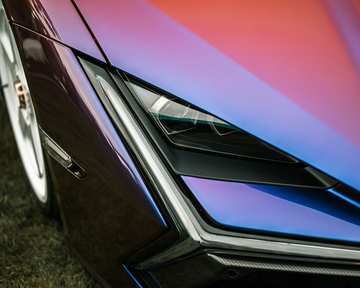 The Z9 GT’s debut signifies a broader trend of Chinese manufacturers making significant inroads into the European market. Beyond Denza, we can expect further offerings from tech giant Xiaomi, Geely’s premium arm Zeekr, and GAC’s premium division Aion. My primary interest in the Z9 GT lies in its dynamic capabilities. Can this newcomer replicate the driving prowess and sophisticated handling dynamics that have made the Taycan a benchmark? Furthermore, assessing its practicality and overall build quality will be crucial in determining its competitive standing. The influx of these new brands, offering innovative technology and potentially aggressive pricing, will undoubtedly invigorate the premium electric car landscape.
The Nostalgic Compact: Renault Twingo
Renault’s recent foray into revived iconic models with electric powertrains has been met with considerable success, and the forthcoming Twingo, slated for Spring 2026, is poised to continue this trend. This compact city car is expected to retain the sub-£20,000 price point that has made its electric siblings so appealing, further solidifying its position as one of the UK’s most affordable new EVs. The Twingo’s retro styling deliberately evokes the charm of the original model, a car that, despite its cult following, was never officially sold in the UK.
Sharing its platform with the Renault 4 and Renault 5, the Twingo benefits from established EV architecture. While a Dacia-badged variant, potentially even more affordable, is rumored, the Twingo itself is a significant proposition. My anticipation centres on its performance in our rigorous lab tests. As one of the cheapest new EVs on the market, its efficiency and durability will be under intense scrutiny. The Twingo represents a compelling choice for affordable electric city cars.
The Kei Car’s Global Debut: Honda Super-N
Honda, historically measured in its EV rollout, is set to accelerate its electrification efforts in 2026 with the introduction of the Super-N. This model effectively fills the void left by the Honda e, which concluded its sales in 2024. The Super-N is a representative of Japan’s ‘kei’ car segment (Kei-jidōsha, meaning ‘light vehicle’), a class rarely exported. Its arrival in the UK market, alongside a simulated manual gearbox reminiscent of the Hyundai Ioniq 5 N, presents a unique proposition in the small electric car segment.
The Super-N is engineered to compete on price, expected to undercut its European rivals. Its compact, boxy design is optimized for urban environments. The significant detail is its limited global availability; Great Britain is currently the sole market outside of Asia slated to receive it. My key points of interest will be its practicality for everyday use and whether its battery range will prove sufficient for anything beyond short urban commutes. The Super-N, alongside the forthcoming O Series EVs later in 2026, signifies Honda’s renewed focus on electric mobility. This is a significant development for small electric cars.
The Automotive Tapestry of 2026
The automotive landscape in 2026 is undeniably vibrant and multifaceted. The confluence of established manufacturers aggressively pushing electrification and new, ambitious players entering the fray from emerging markets promises an exhilarating period of innovation and competition. From the refined luxury of the Audi Q9 and the dynamic promise of the Denza Z9 GT to the accessible electric solutions offered by the VW ID.Polo, Skoda Epiq, Renault Twingo, and Honda Super-N, there is a vehicle poised to meet virtually every need and desire. Even the resurgence of petrol power in the Fiat 500 highlights a nuanced market understanding.
As a professional dedicated to dissecting and understanding these evolving trends, I see 2026 as a year where the definition of a “great car” will continue to expand. It’s a testament to the industry’s capacity for reinvention and its unwavering commitment to pushing boundaries. The technological leaps in battery development, powertrain efficiency, and in-car technology are propelling us into an era of unprecedented automotive possibility.
The challenge and excitement for consumers will be navigating this rich and diverse offering. For those seeking the latest in electric performance, the redefined BMW 3 Series i3 and the innovative Chinese contenders offer compelling choices. For budget-conscious buyers prioritizing practicality and value, the Skoda Epiq and the affordable electric city cars from VW and Renault present excellent opportunities. And for those who appreciate heritage and a familiar driving feel, the new Fiat 500 mild-hybrid stands out.
The Road Ahead: Make Informed Decisions
The sheer volume of exciting new car models 2026 demands careful consideration. My advice to any prospective buyer is to move beyond the initial allure and delve into the specifics. Understand how each vehicle aligns with your personal driving needs, your commitment to sustainability, and your budget. Research the latest performance figures, safety ratings, and ownership costs.
The Z9 GT’s debut signifies a broader trend of Chinese manufacturers making significant inroads into the European market. Beyond Denza, we can expect further offerings from tech giant Xiaomi, Geely’s premium arm Zeekr, and GAC’s premium division Aion. My primary interest in the Z9 GT lies in its dynamic capabilities. Can this newcomer replicate the driving prowess and sophisticated handling dynamics that have made the Taycan a benchmark? Furthermore, assessing its practicality and overall build quality will be crucial in determining its competitive standing. The influx of these new brands, offering innovative technology and potentially aggressive pricing, will undoubtedly invigorate the premium electric car landscape.
The Nostalgic Compact: Renault Twingo
Renault’s recent foray into revived iconic models with electric powertrains has been met with considerable success, and the forthcoming Twingo, slated for Spring 2026, is poised to continue this trend. This compact city car is expected to retain the sub-£20,000 price point that has made its electric siblings so appealing, further solidifying its position as one of the UK’s most affordable new EVs. The Twingo’s retro styling deliberately evokes the charm of the original model, a car that, despite its cult following, was never officially sold in the UK.
Sharing its platform with the Renault 4 and Renault 5, the Twingo benefits from established EV architecture. While a Dacia-badged variant, potentially even more affordable, is rumored, the Twingo itself is a significant proposition. My anticipation centres on its performance in our rigorous lab tests. As one of the cheapest new EVs on the market, its efficiency and durability will be under intense scrutiny. The Twingo represents a compelling choice for affordable electric city cars.
The Kei Car’s Global Debut: Honda Super-N
Honda, historically measured in its EV rollout, is set to accelerate its electrification efforts in 2026 with the introduction of the Super-N. This model effectively fills the void left by the Honda e, which concluded its sales in 2024. The Super-N is a representative of Japan’s ‘kei’ car segment (Kei-jidōsha, meaning ‘light vehicle’), a class rarely exported. Its arrival in the UK market, alongside a simulated manual gearbox reminiscent of the Hyundai Ioniq 5 N, presents a unique proposition in the small electric car segment.
The Super-N is engineered to compete on price, expected to undercut its European rivals. Its compact, boxy design is optimized for urban environments. The significant detail is its limited global availability; Great Britain is currently the sole market outside of Asia slated to receive it. My key points of interest will be its practicality for everyday use and whether its battery range will prove sufficient for anything beyond short urban commutes. The Super-N, alongside the forthcoming O Series EVs later in 2026, signifies Honda’s renewed focus on electric mobility. This is a significant development for small electric cars.
The Automotive Tapestry of 2026
The automotive landscape in 2026 is undeniably vibrant and multifaceted. The confluence of established manufacturers aggressively pushing electrification and new, ambitious players entering the fray from emerging markets promises an exhilarating period of innovation and competition. From the refined luxury of the Audi Q9 and the dynamic promise of the Denza Z9 GT to the accessible electric solutions offered by the VW ID.Polo, Skoda Epiq, Renault Twingo, and Honda Super-N, there is a vehicle poised to meet virtually every need and desire. Even the resurgence of petrol power in the Fiat 500 highlights a nuanced market understanding.
As a professional dedicated to dissecting and understanding these evolving trends, I see 2026 as a year where the definition of a “great car” will continue to expand. It’s a testament to the industry’s capacity for reinvention and its unwavering commitment to pushing boundaries. The technological leaps in battery development, powertrain efficiency, and in-car technology are propelling us into an era of unprecedented automotive possibility.
The challenge and excitement for consumers will be navigating this rich and diverse offering. For those seeking the latest in electric performance, the redefined BMW 3 Series i3 and the innovative Chinese contenders offer compelling choices. For budget-conscious buyers prioritizing practicality and value, the Skoda Epiq and the affordable electric city cars from VW and Renault present excellent opportunities. And for those who appreciate heritage and a familiar driving feel, the new Fiat 500 mild-hybrid stands out.
The Road Ahead: Make Informed Decisions
The sheer volume of exciting new car models 2026 demands careful consideration. My advice to any prospective buyer is to move beyond the initial allure and delve into the specifics. Understand how each vehicle aligns with your personal driving needs, your commitment to sustainability, and your budget. Research the latest performance figures, safety ratings, and ownership costs.
 If you are intrigued by the prospect of driving the future and want to ensure you are making the most informed decision for your next vehicle, I encourage you to explore our in-depth reviews and comparisons as these models become available. Your journey into the exciting world of 2026 automotive innovation begins with knowledge.